Home Energy Storage Systems in Bolivia: Applications, Efficiency & Key Components
Bolivian households grapple with unique energy hurdles: frequent power outages (especially in urban areas like La Paz and Santa Cruz during rainy seasons), limited grid access in remote Amazon and Andean regions, and rising electricity costs from state-owned ENDE. A well-engineered home energy storage system—powered by three foundational components: inverter, charger, and controller—has become a critical solution, merging reliability, cost savings, and alignment with Bolivia’s renewable energy goals. This guide explores how these systems transform daily energy use for Bolivian families, optimized for Google search intent and practical relevance.
Bolivia’s Energy Landscape: Why Home Storage Is a Necessity
Bolivia boasts abundant renewable resources—annual solar irradiance reaches 5-7 kWh/m² in the Altiplano and lowlands, while wind potential is high in coastal and Andean regions. Yet, its energy infrastructure lags: 15% of rural households lack grid access (per World Bank data), and urban areas face 2-5 planned/unplanned outages weekly during monsoons. For families, this means spoiled food in refrigerators, disrupted remote work, and reliance on noisy, polluting diesel generators. A home energy storage system addresses these pain points by capturing renewable energy via a charger, converting it to usable power with a inverter, and optimizing usage via a controller—creating a self-sustaining energy ecosystem.
Core Components: How Inverter, Charger, and Controller Adapt to Bolivia’s Needs
The synergy of these three components is tailored to Bolivia’s unique conditions, ensuring durability and efficiency:
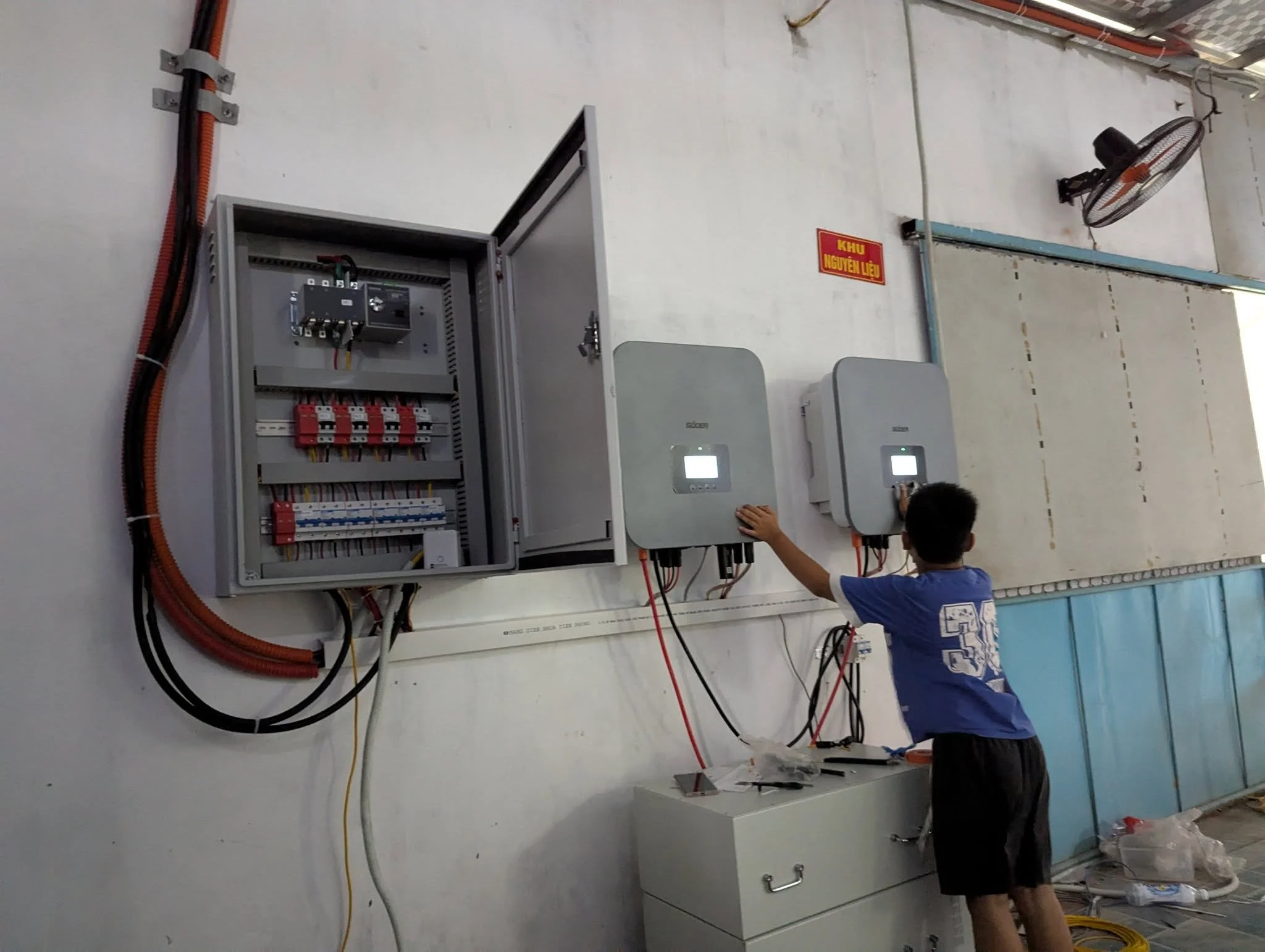
- Inverter: The system’s workhorse. Bolivia’s grid operates at 230V, but fluctuations (±15%) are common—especially in mountainous areas like Oruro. A high-quality inverter stabilizes voltage to protect sensitive devices (smartphones, laptops, and medical equipment like oxygen concentrators). It also switches seamlessly to battery power during outages—a lifeline for families in La Paz, where storm-related blackouts can last 6-12 hours. For off-grid homes, it converts DC energy from batteries (stored solar/wind power) to AC, powering everything from lights to water pumps.
- Charger: Renewable compatibility is non-negotiable. Most Bolivian homes pair storage with 2-6 solar panels (350-400W each) to leverage the country’s intense sunlight. A MPPT solar charger is critical here—it maximizes energy capture by tracking the sun’s peak power point, boosting efficiency by 18-25% compared to basic PWM chargers. For a typical 3-bedroom home in Cochabamba, this translates to 8-10 kWh of stored energy daily, cutting reliance on grid power by 70%.
- Controller: The “brain” for local energy habits. It monitors ENDE’s variable tariffs (peak rates hit 8.5 Bs/kWh during 18:00-22:00, off-peak drops to 3.2 Bs/kWh overnight) and automatically uses stored energy during peak hours. For remote Amazon communities in Beni, the controller regulates power flow from solar panels to batteries, preventing overcharging in intense midday sun and ensuring consistent supply after sunset—critical for families using electric cookstoves to replace firewood.
Real-World Applications of Home Storage in Bolivia
Diverse use cases across Bolivia highlight the system’s transformative impact:
- Urban Outage Backup (La Paz): A family in La Paz’s El Alto district uses a 6kWh storage system with a 3.5kW inverter and controller. During monsoon outages, the system powers their refrigerator, LED lights, and Wi-Fi router for 12+ hours—avoiding food waste and keeping children’s online classes on track. The MPPT charger paired with 4 solar panels replenishes the battery fully by midday.
- Remote Off-Grid Living (Beni): A farming family in rural Beni lacks grid access and previously relied on a diesel generator (costing 800 Bs/month). They now use a 10kWh system with a charger, 6 solar panels, and a inverter. The controller manages power for their water pump, electric fence, and home appliances—cutting energy costs by 90% and eliminating generator fumes.
- Altiplano Solar Optimization (Potosi): A household in Potosi (4,090m elevation) leverages intense high-altitude sunlight with 5 solar panels and a MPPT charger. The controller shifts stored energy to peak-hour use, reducing their ENDE bill from 1,200 Bs/month to 350 Bs/month—a 70% savings. The inverter’s cold-start function (critical for Potosi’s -10°C winter nights) ensures reliable power year-round.
Key Tips for Choosing a System in Bolivia
To adapt to local conditions: 1) Select a inverter rated for high altitude (≥3,000m) and low temperatures (for Altiplano regions) with IP65 protection against dust and rain; 2) Prioritize MPPT chargers to maximize solar efficiency in Bolivia’s intense sunlight; 3) Choose a controller with Spanish-language app support for easy monitoring; 4) Opt for lithium-ion batteries (longer lifespan in humid Amazon or dry Altiplano climates vs. lead-acid).
As Bolivia advances its National Energy Plan (targeting 70% renewable power by 2030), home energy storage systems—centered on inverter, charger, and controller—are no longer a luxury but a practical investment. For Bolivian families, they mean reliable power, lower bills, and a step toward energy independence in line with the country’s sustainable future.