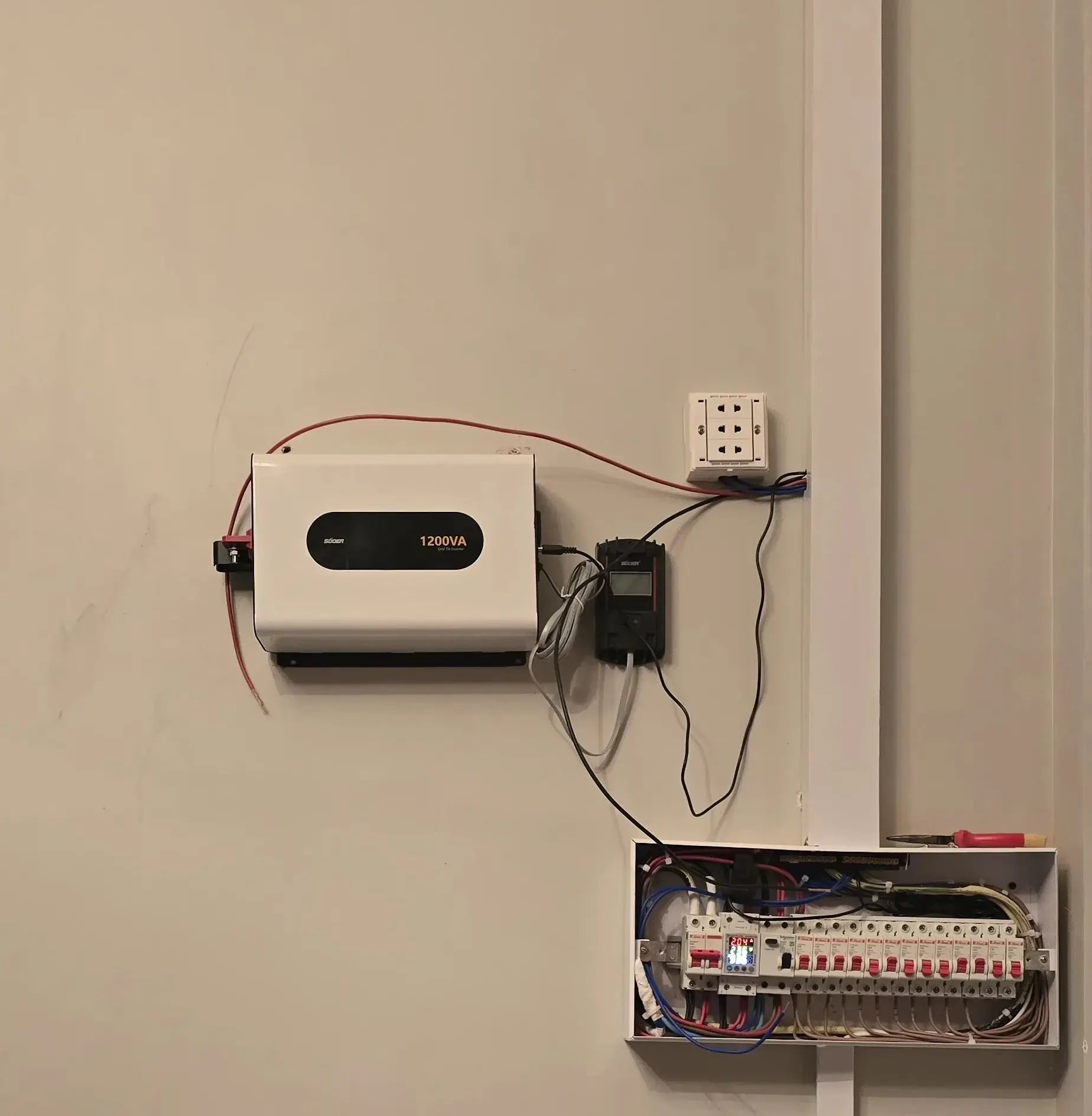
Home Energy Storage Systems in Cambodia: Applications, Reliability & Core Components
Cambodian households face persistent energy challenges: frequent power outages (up to 5-8 times weekly in Phnom Penh during dry seasons), limited grid access (40% of rural families lack connection per World Bank), and rising electricity tariffs from Electricite du Cambodge (EdC). A tailored home energy storage system—anchored by three critical components: inverter, charger, and controller—has emerged as a lifeline, delivering reliability, cost savings, and alignment with the country’s solar potential. This guide explores how these systems transform daily energy use for Cambodian families, optimized for Google search intent and practical relevance.
Cambodia’s Energy Landscape: Why Home Storage Is Indispensable
Cambodia’s tropical climate offers abundant solar resources (4.5-6 kWh/m²/day), especially in lowland regions like Battambang and Siem Reap. Yet, its energy infrastructure struggles to meet demand: urban areas suffer from grid overload during peak hours (17:00-21:00, when AC and cooking appliances run full tilt), while rural communities in Kampong Cham and Mondulkiri rely on expensive, polluting diesel generators. A home energy storage system solves these gaps: it captures solar energy via a charger, converts it to usable power with a inverter, and optimizes usage via a controller—turning intermittent solar into steady, affordable energy.
Core Components: How Inverter, Charger, and Controller Adapt to Cambodia’s Needs
These three components are engineered to withstand Cambodia’s unique conditions—humidity, voltage fluctuations, and frequent outages—ensuring durability and efficiency:
- Inverter: The system’s backbone. Cambodia’s grid operates at 220V, but fluctuations (±20%) are common—especially in rural areas. A high-quality inverter stabilizes power to protect sensitive devices like smartphones, TVs, and medical equipment (e.g., nebulizers). It also switches to battery power in 0.5 seconds during outages—a critical feature for Phnom Penh families, where blackouts can disrupt remote work or children’s online learning. For off-grid homes, it converts DC battery power (stored solar energy) to AC, powering everything from lights to water pumps.
- Charger: Solar compatibility is non-negotiable. Most Cambodian households pair storage with 2-5 solar panels (300-400W each) to leverage the country’s intense sunlight. A MPPT solar charger is essential here—it maximizes energy capture by tracking the sun’s peak power point, boosting efficiency by 15-20% compared to basic PWM chargers. For a typical 2-bedroom home in Siem Reap, this translates to 6-8 kWh of stored energy daily, cutting grid reliance by 60%.
- Controller: The “brain” for local energy habits. It monitors EdC’s tiered tariffs (peak rates reach 600 Riel/kWh for usage over 200 kWh/month, vs. 450 Riel/kWh for lower tiers) and automatically uses stored energy during high-usage periods. For rural families in Kampot who use well water, the controller schedules water pump operation during midday (when solar generation is highest), storing excess power for evening use—avoiding costly peak-hour grid power.
Real-World Applications of Home Storage in Cambodia
Diverse use cases across Cambodia highlight the system’s transformative impact:
- Urban Outage Backup (Phnom Penh): A family in Phnom Penh’s Toul Kork district uses a 5kWh storage system with a 3kW inverter and controller. During dry-season outages, the system powers their refrigerator, LED lights, Wi-Fi router, and AC (on low) for 8+ hours—preventing food spoilage and keeping the home cool. The MPPT charger paired with 4 solar panels recharges the battery fully by 2 PM daily.
- Rural Off-Grid Living (Mondulkiri): A farming family in Mondulkiri had no grid access and spent 150 USD/month on diesel for a generator. They now use a 8kWh system with a charger, 6 solar panels, and a inverter. The controller manages power for their water pump, electric rice cooker, and lights—cutting energy costs by 90% and eliminating generator noise and fumes.
- Siem Reap Tourism Household: A family in Siem Reap runs a small guesthouse (3 rooms) and uses a 10kWh storage system. The controller stores solar energy via a MPPT charger during the day, powering guest room AC and lights in the evening. This reduces their EdC bill from 800 USD/month to 250 USD/month—a 69% savings—critical for small businesses amid tourism fluctuations.
Key Tips for Choosing a System in Cambodia
To adapt to local conditions: 1) Select a inverter with IP65 protection (resists humidity and dust from Cambodia’s monsoons and dry-season winds); 2) Prioritize MPPT chargers to maximize solar efficiency in intense sunlight; 3) Choose a controller with English or Khmer app support for easy monitoring; 4) Opt for lithium-ion batteries (longer lifespan in Cambodia’s humid climate vs. lead-acid, which corrodes quickly).
As Cambodia advances its Power Development Plan (targeting 100% electrification by 2030), home energy storage systems—centered on inverter, charger, and controller—are no longer a luxury but a practical investment. For Cambodian families and small businesses, they mean reliable power, lower bills, and energy independence—key to thriving in the country’s growing economy.