Home Energy Storage Systems in Iraq: Applications, Reliability & Key Components
Iraqi households grapple with persistent energy challenges rooted in decades of infrastructure strain: frequent unplanned power outages (up to 12 hours daily in Baghdad and Mosul), erratic grid voltage, limited rural electrification (30% of rural families lack stable access per Ministry of Electricity data), and soaring diesel generator costs. Against this backdrop, a tailored home energy storage system—powered by three foundational components: inverter, charger, and controller—has emerged as a transformative solution. Leveraging Iraq’s abundant solar resources (5-7 kWh/m²/day in desert and lowland regions), these systems deliver reliability, cost savings, and energy independence. This guide explores their real-world impact for Iraqi families, optimized for Google search intent and practical relevance.
Iraq’s Energy Landscape: Why Home Storage Is a Critical Investment
Iraq’s energy crisis is multifaceted: aging power plants (many dating to the 1970s) operate at 60% capacity, while summer peak demand (driven by 45°C+ temperatures and AC use) outstrips supply by 40%. For families, this means daily disruptions: spoiled food in refrigerators, interrupted remote learning, and reliance on diesel generators that cost $150-$300/month—nearly 30% of average household income. Compounding this, rural areas like Anbar and Diyala lack grid access entirely, trapping families in a cycle of expensive, polluting energy. A home energy storage system addresses these gaps by capturing Iraq’s intense sunlight via a charger, converting it to usable power with a inverter, and optimizing usage via a controller—turning intermittent solar into steady, affordable energy.
Core Components: How Inverter, Charger, and Controller Adapt to Iraq’s Conditions
These components are engineered to withstand Iraq’s harsh environment—extreme heat, dust storms, and grid volatility—ensuring durability and efficiency:
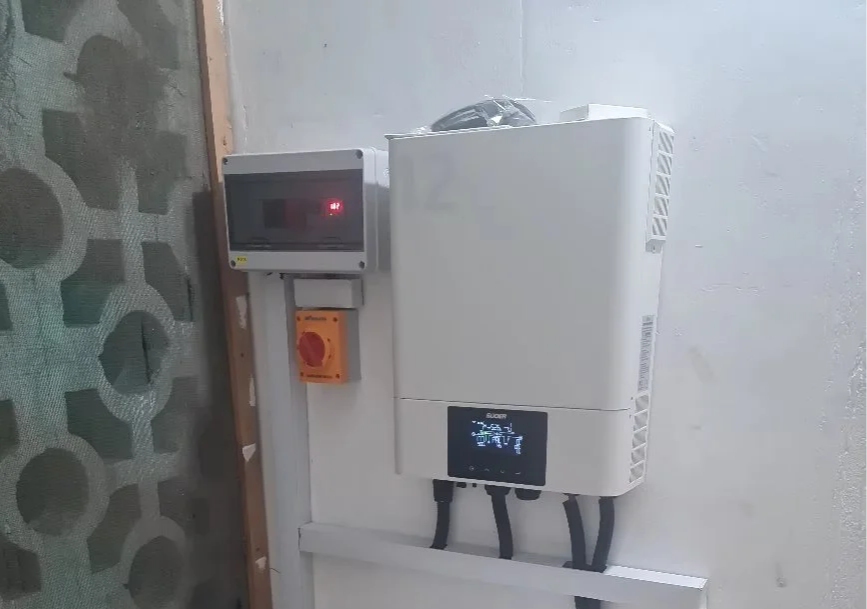
- Inverter: The system’s backbone. Iraq’s grid operates at 230V, but fluctuations (±25%) are common—enough to damage smartphones, TVs, and medical devices like insulin refrigerators. A high-quality inverter stabilizes voltage while switching to battery power in 0.3 seconds during outages—a lifeline for Baghdad families during summer blackouts. For off-grid homes, it converts DC battery power (stored solar energy) to AC, powering everything from lights to water pumps critical for desert agriculture.
- Charger: Solar compatibility is non-negotiable. Most Iraqi households pair storage with 3-6 solar panels (350-400W each) to capitalize on 10+ hours of daily sunlight. A MPPT solar charger is essential here—it maximizes energy capture by tracking the sun’s peak power point, boosting efficiency by 20-25% compared to basic PWM chargers. For a typical 3-bedroom home in Basra, this translates to 8-12 kWh of stored energy daily, cutting generator use by 80%.
- Controller: The “brain” for local energy habits. It monitors grid availability and prioritizes stored energy during peak outage hours (12:00-18:00, when demand spikes). For rural families in Kirkuk who use well water, the controller schedules pump operation during midday (peak solar generation), storing excess power for evening use. It also prevents battery overcharging during Iraq’s intense summer sunlight and protects against deep discharge during long outages.
Real-World Applications of Home Storage in Iraq
Diverse use cases across Iraq highlight the system’s life-changing impact:
- Urban Outage Resilience (Baghdad): A family in Baghdad’s Karkh district uses a 7kWh storage system with a 4kW inverter and controller. During summer blackouts, the system powers their AC (on low), refrigerator, LED lights, and Wi-Fi router for 10+ hours—keeping children cool and online classes on track. The MPPT charger paired with 5 solar panels recharges the battery fully by 2 PM, even during dust storms (thanks to anti-dust panel coatings).
- Rural Off-Grid Independence (Anbar): A farming family in rural Anbar had no grid access and spent $250/month on diesel for a generator. They now use a 10kWh system with a charger, 6 solar panels, and a inverter. The controller manages power for their irrigation pump, electric fence, and home appliances—cutting energy costs by 90% and eliminating generator fumes that caused respiratory issues for their children.
- Post-Conflict Recovery (Mosul): A family in Mosul, rebuilding after conflict, uses a 5kWh system to supplement inconsistent grid power. The inverter’s surge protection safeguards new appliances (a gift from aid groups), while the controller uses stored energy to power a small home bakery’s mixer during outages—helping the family earn $50/week selling flatbread.
Key Tips for Choosing a System in Iraq
To thrive in Iraq’s conditions: 1) Select a inverter with IP67 protection (resists dust storms and occasional flooding in Basra) and high-temperature tolerance (-10°C to 60°C); 2) Prioritize MPPT chargers to maximize solar capture in intense sunlight; 3) Choose a controller with Arabic or English app support for easy monitoring (critical for non-technical users); 4) Opt for lithium-ion batteries (longer lifespan in extreme heat vs. lead-acid, which degrades in 2-3 years in Iraq’s climate).
As Iraq works to rebuild its energy infrastructure (targeting 100% electrification by 2035), home energy storage systems—centered on inverter, charger, and controller—are more than a convenience: they’re a pathway to stability. For Iraqi families, they mean reliable power for education, health, and livelihoods—key to rebuilding and thriving in a post-crisis era.