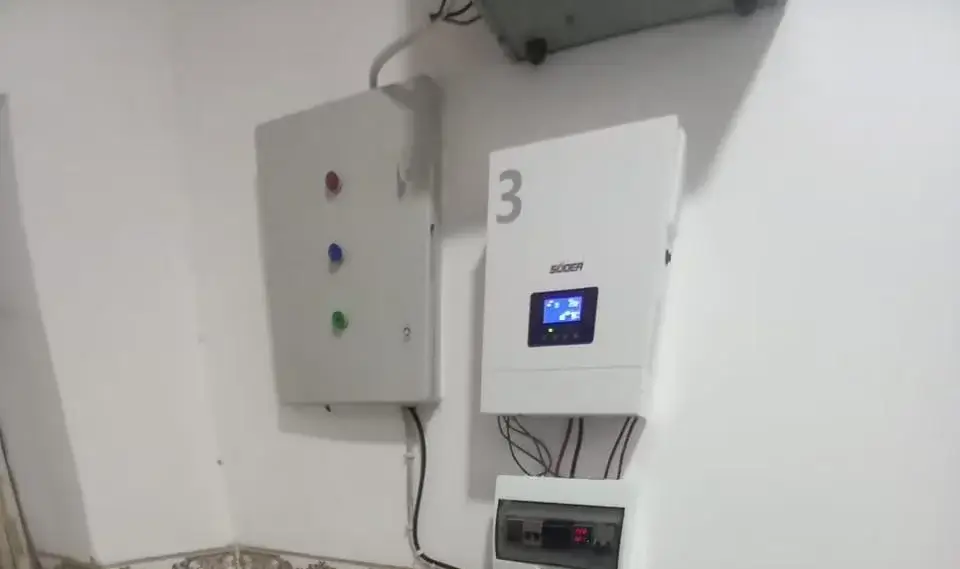
Home Energy Storage Systems in Jordan: Applications, Cost-Savings & Core Components
Jordanian households face unique energy challenges rooted in the country’s limited domestic fossil fuel reserves: high electricity tariffs (among the highest in the Middle East, reaching 0.18 JOD/kWh for peak usage), frequent power outages (2-4 hours weekly in Amman and Irbid during summer demand spikes), and uneven rural electrification (25% of remote communities in Mafraq and Tafilah lack stable grid access). Against this backdrop, a tailored home energy storage system—powered by three foundational components: inverter, charger, and controller—has become a game-changer. Leveraging Jordan’s abundant solar resources (5.5-7 kWh/m²/day, especially in the eastern desert), these systems deliver reliability, cost reduction, and alignment with the country’s renewable energy goals. This guide explores their transformative impact for Jordanian families, optimized for Google search intent and practical relevance.
Jordan’s Energy Landscape: Why Home Storage Is a Strategic Investment
Jordan’s energy crisis is driven by dependency—over 97% of electricity comes from imported natural gas and oil, making tariffs vulnerable to global price fluctuations. For families, this means monthly electricity bills often exceed 200 JOD, while summer outages (fueled by 40°C+ temperatures and AC use) disrupt daily life. Rural households face even greater hurdles: many rely on expensive diesel generators that cost 150-300 JOD/month and emit toxic fumes. A home energy storage system addresses these gaps by capturing Jordan’s intense sunlight via a charger, converting it to usable power with a inverter, and optimizing usage via a controller—turning intermittent solar into a steady, affordable energy source that reduces reliance on imported fuel.
Core Components: How Inverter, Charger, and Controller Adapt to Jordan’s Needs
These components are engineered to withstand Jordan’s harsh climate—extreme summer heat, dry dust storms, and grid volatility—while maximizing efficiency for local energy habits:
- Inverter: The system’s backbone. Jordan’s grid operates at 230V, but fluctuations (±20%) are common—enough to damage sensitive devices like laptops, smart TVs, and medical equipment (e.g., CPAP machines). A high-quality inverter stabilizes voltage and switches to battery power in 0.5 seconds during outages—a critical feature for Amman families during summer peak demand. For off-grid homes in the Badia region, it converts DC battery power (stored solar energy) to AC, powering essential appliances and water pumps for livestock.
- Charger: Solar compatibility is non-negotiable. Most Jordanian households pair storage with 3-6 solar panels (350-400W each) to capitalize on 10+ hours of daily sunlight. A MPPT solar charger is essential here—it maximizes energy capture by tracking the sun’s peak power point, boosting efficiency by 18-25% compared to basic PWM chargers. For a typical 3-bedroom home in Zarqa, this translates to 8-10 kWh of stored energy daily, cutting grid electricity use by 70%.
- Controller: The “brain” for cost optimization. It monitors Jordan’s tiered tariff system (peak rates apply 17:00-23:00, off-peak 00:00-06:00) and automatically uses stored energy during high-cost hours. For rural families in Madaba who rely on well water, the controller schedules pump operation during midday (peak solar generation), storing excess power for evening use. It also protects batteries from overcharging in Jordan’s intense sunlight and deep discharge during prolonged outages.
Real-World Applications of Home Storage in Jordan
Diverse use cases across Jordan highlight the system’s tangible benefits for families and small businesses:
- Urban Cost-Savings & Resilience (Amman): A family in Amman’s Abdali district uses a 6kWh storage system with a 3.5kW inverter and controller. The MPPT charger paired with 5 solar panels stores energy during the day, which the controller deploys during evening peak hours. This cuts their monthly electricity bill from 220 JOD to 75 JOD—a 66% savings—while keeping their AC and Wi-Fi running during summer outages.
- Rural Off-Grid Independence (Mafraq): A pastoral family in rural Mafraq had no grid access and spent 250 JOD/month on diesel for a generator. They now use a 9kWh system with a charger, 6 solar panels, and a inverter. The controller manages power for their livestock water pump, electric fence, and home appliances—eliminating generator costs and fumes, and allowing them to expand their herd by 30%.
- Heritage Site Community (Petra): A family in the Petra region runs a small guesthouse for tourists. They use a 10kWh storage system to supplement inconsistent grid power. The inverter’s surge protection safeguards guest amenities (air conditioners, refrigerators), while the controller uses stored solar energy to power the guesthouse during evening hours. This reduces their energy bills by 60% and improves guest satisfaction by avoiding outage-related complaints.
Key Tips for Choosing a System in Jordan
To adapt to Jordan’s unique conditions: 1) Select a inverter with IP65+ protection (resists dust storms and high temperatures up to 60°C); 2) Prioritize MPPT chargers to maximize solar efficiency in Jordan’s intense sunlight—critical for offsetting high tariffs; 3) Choose a controller with Arabic or English app support for easy monitoring (essential for non-technical users); 4) Opt for lithium-ion batteries (longer lifespan in extreme heat—8-10 years vs. 2-3 years for lead-acid batteries in Jordan’s climate).
As Jordan advances its National Energy Strategy (targeting 31% renewable power by 2030), home energy storage systems—centered on inverter, charger, and controller—are no longer a luxury but a strategic investment. For Jordanian families, they mean lower bills, reliable power, and a step toward energy independence—reducing the country’s reliance on imported fuels while improving quality of life.