Products Banner

Solution from Kenya

Home Energy Storage Systems in Kenya: Applications, Savings & Core Components

Kenyan households face persistent energy hurdles: only 55% of the population has grid access (World Bank data), with rural areas like Maasai Mara and Kiambu seeing less than 30% electrification. Urban centers like Nairobi and Mombasa suffer 3-5 weekly power outages, while diesel generators—common in off-grid homes—cost $100-$200/month. Fortunately, Kenya’s equatorial location delivers abundant solar energy (5-7 kWh/m²/day), making home energy storage systems—powered by inverter, charger, and controller—a transformative solution. This guide explores their impact on Kenyan families, optimized for Google search intent and practical use.

Kenya’s Energy Landscape: Why Home Storage Is Essential

Kenya’s energy crisis blends infrastructure gaps and cost volatility. The national grid (managed by Kenya Power and Lighting Company, KPLC) struggles to meet demand, especially during dry seasons when hydroelectric output drops. For families, this means disrupted schoolwork (80% of Kenyan students use phones for e-learning), spoiled food, and reliance on kerosene lamps—linked to respiratory illnesses. Solar-powered storage systems solve these issues: a charger captures sunlight, a inverter converts it to usable power, and a controller optimizes usage—cutting costs and ensuring reliability. This aligns with Kenya’s Vision 2030, targeting 100% renewable energy by 2030.

Core Components: Adapted to Kenya’s Conditions

Each component is tailored to Kenya’s climate (dust, heat, variable sunlight) and grid challenges:

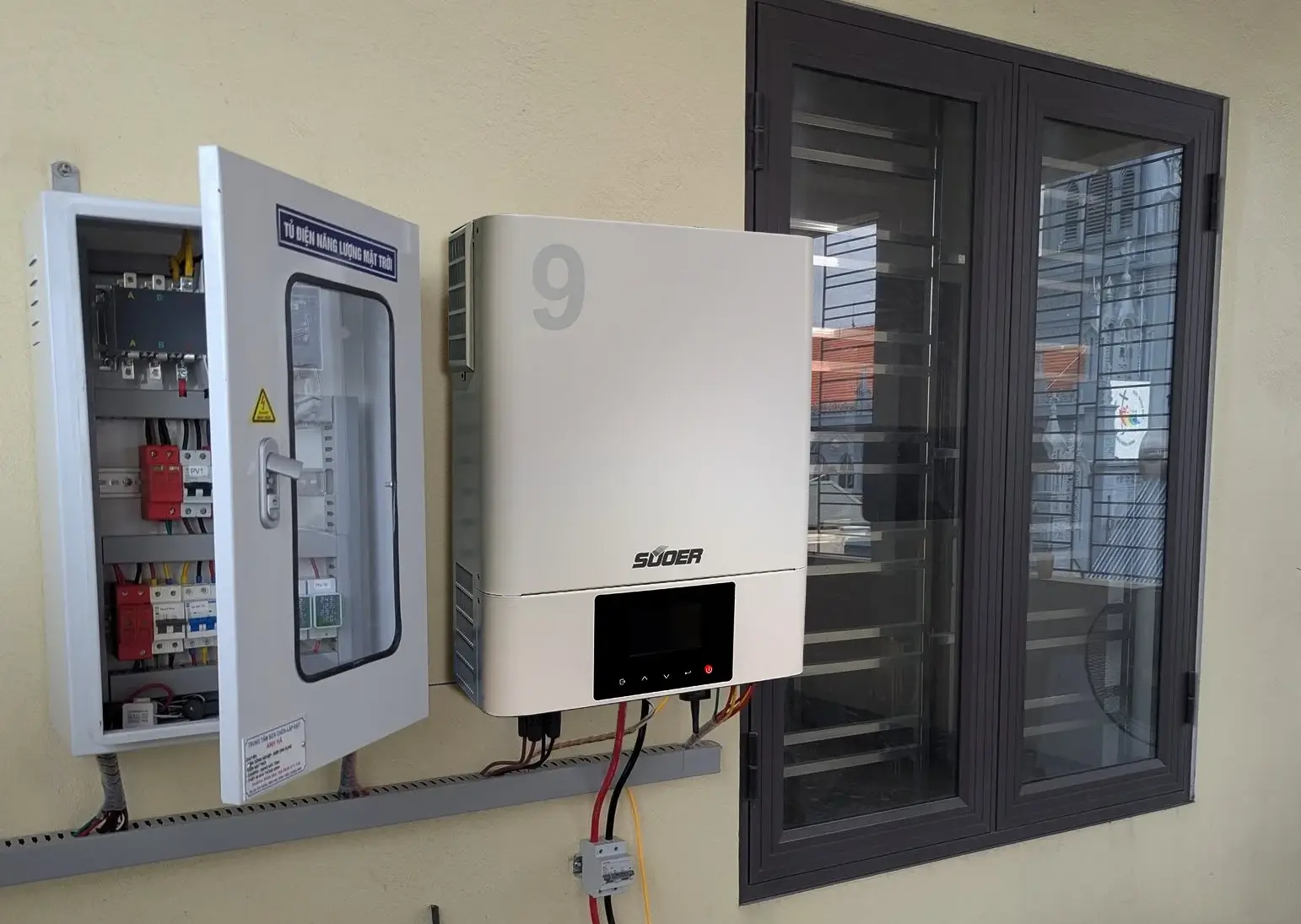
  • Inverter: Kenya’s grid runs on 230V, but fluctuations (±25%) damage electronics. A durable inverter stabilizes voltage and switches to battery power in 0.5 seconds during outages—critical for Nairobi families using laptops for remote work. Off-grid homes rely on it to convert DC battery power to AC, running lights, TVs, and water pumps.
  • Charger: Solar is Kenya’s primary renewable, so MPPT solar chargers are non-negotiable. They boost energy capture by 20-25% vs. basic PWM models, ideal for Kenya’s intense midday sun. A 3-bedroom home with 4 solar panels (350W each) and an MPPT charger stores 7-9 kWh daily—enough to power essentials overnight.
  • Controller: The “brain” for cost savings. It monitors KPLC’s tiered tariffs (peak rates: 06:00-22:00 at 20 KES/kWh; off-peak: 22:00-06:00 at 12 KES/kWh) and uses stored energy during peaks. For rural farmers, it schedules water pump use during midday (max solar generation), avoiding costly grid power.

Real-World Applications in Kenya

Case studies highlight the system’s transformative impact across Kenya:

  1. Urban Outage Resilience (Nairobi): A family in Nairobi’s Karen neighborhood uses a 6kWh system with a 3kW inverter and controller. During outages, it powers their fridge, LED lights, Wi-Fi, and phone chargers for 10 hours. The MPPT charger with 5 solar panels recharges the battery by 2 PM—even during dusty dry seasons (thanks to anti-dust coatings).
  2. Rural Off-Grid Independence (Maasai Mara): A Maasai family in rural Narok had no grid access and spent $150/month on diesel. They now use an 8kWh system with a charger, 6 solar panels, and a inverter. The controller powers their livestock water pump, phone charger, and LED lights—cutting energy costs by 90% and letting their children study after sunset.
  3. Smallholder Farming (Kiambu): A tomato farmer in Kiambu uses a 5kWh system to run a drip irrigation pump. The controller operates the pump during midday (peak solar), storing excess power for evening. This increased yield by 40% (reduced water waste) and cut generator costs by $80/month—helping them sell to Nairobi markets year-round.

Key Tips for Choosing a System in Kenya

Optimize for local conditions: 1) Choose a inverter with IP65 protection (dust/water resistance for dry/rainy seasons) and high-temperature tolerance (up to 60°C); 2) Prioritize MPPT chargers to maximize solar efficiency—critical for offsetting KPLC’s high tariffs; 3) Select a controller with English/Swahili app support for easy monitoring; 4) Use lithium-ion batteries (8-10 year lifespan in Kenya’s climate vs. 2-3 years for lead-acid).

As Kenya expands its renewable footprint, home energy storage systems—centered on inverter, charger, and controller—are more than a convenience: they’re a pathway to energy independence. For Kenyan families, they mean lower bills, reliable power for education and livelihoods, and a step toward Kenya’s sustainable energy goals.

Ready to start your project?
Talk with SUOER experts about your Kenya home energy solution