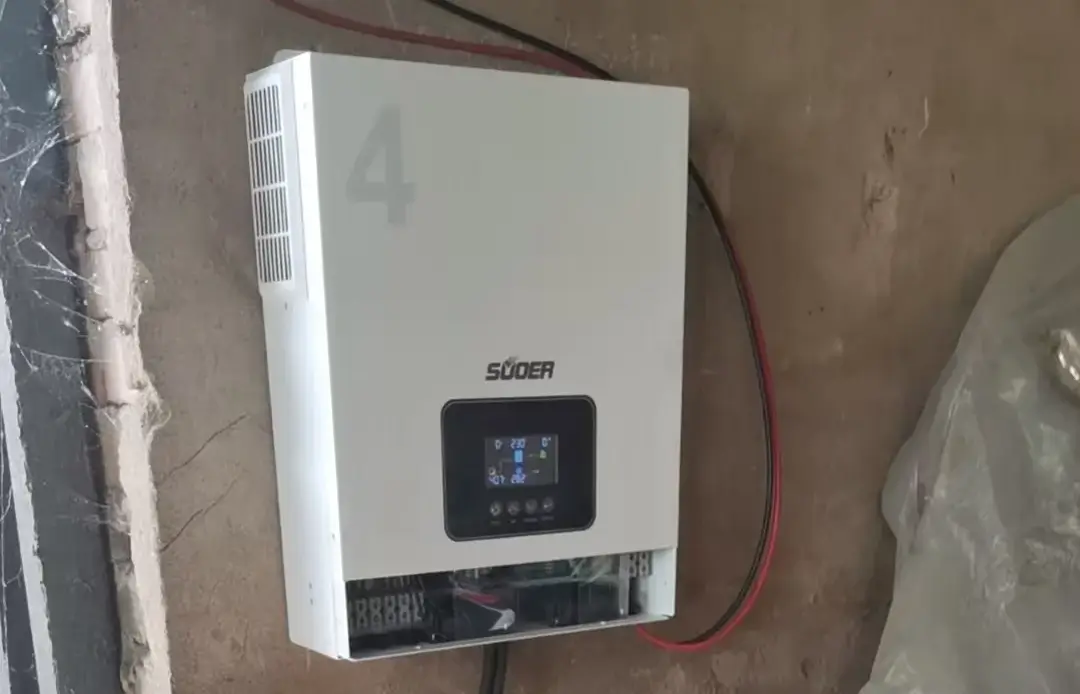
Myanmar households grapple with persistent energy challenges rooted in limited infrastructure development: only 50% of the population has access to the national grid (World Bank 2024 data), with rural areas like Sagaing and Shan State seeing less than 20% electrification. Urban centers including Yangon and Mandalay suffer 4-6 weekly power outages (lasting 2-8 hours), while off-grid families rely on expensive diesel generators ($120-$250/month) or kerosene lamps—both costly and hazardous. Against this backdrop, home energy storage systems—powered by three core components: inverter, charger, and controller—have emerged as a transformative solution. Leveraging Myanmar’s abundant solar resources (5-6.5 kWh/m²/day, especially in central dry zones), these systems deliver reliability, cost savings, and alignment with the country’s renewable energy goals. This guide explores their real-world impact for Myanmar families, optimized for Google search intent and practical relevance.
Myanmar’s energy crisis blends infrastructure gaps and economic constraints. The national grid (managed by Myanmar Electric Power Enterprise, MEPE) relies heavily on gas and hydroelectric power—hydro output drops by 30% during dry seasons (November-April), triggering widespread outages. For families, this means disrupted education (70% of rural students use phones for e-learning), spoiled food, and health risks from kerosene fumes (linked to childhood asthma). Diesel generators, the primary backup, are increasingly unaffordable amid fuel import costs. A home energy storage system solves these pain points: a charger captures sunlight, a inverter converts it to usable power, and a controller optimizes usage—creating a self-sustaining energy ecosystem that reduces reliance on unstable grid and costly fuels. This aligns with Myanmar’s National Electrification Plan, targeting 100% electrification by 2030.
Each component is engineered to withstand Myanmar’s climate (hot dry seasons, monsoon rains, dust) and grid challenges, ensuring durability and efficiency:
Diverse case studies highlight the system’s transformative impact for families and small businesses:
To adapt to Myanmar’s conditions: 1) Select a inverter with IP65+ protection (resists monsoon rains and dry-season dust) and high-temperature tolerance (-5°C to 60°C); 2) Prioritize MPPT chargers to maximize solar efficiency—critical for offsetting high diesel costs; 3) Choose a controller with English or Burmese app support for easy monitoring (essential for non-technical users); 4) Opt for lithium-ion batteries (8-10 year lifespan in Myanmar’s climate vs. 2-3 years for lead-acid, which corrodes quickly in humid monsoon seasons).
As Myanmar works to expand electrification and renewable energy use, home energy storage systems—centered on inverter, charger, and controller—are no longer a luxury but a necessity. For Myanmar families, they mean reliable power for education, health, and livelihoods—offering a path to stability amid energy challenges and aligning with the country’s sustainable development goals.