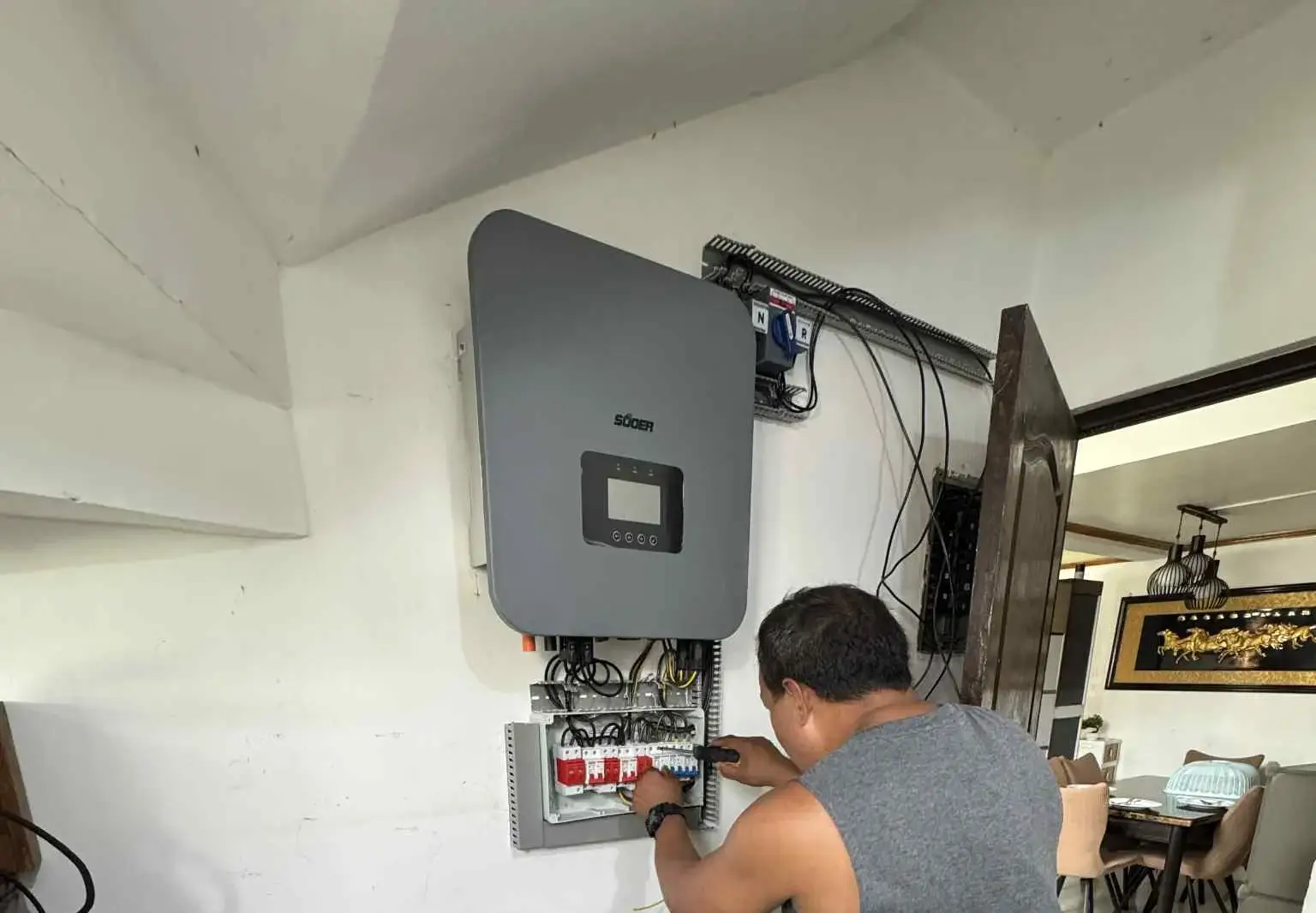
Singapore boasts one of the most reliable power grids globally (99.99% uptime, per Singapore Power Group, SP Group), but its energy landscape presents unique challenges for households: high electricity tariffs (peaking at SGD 0.32/kWh during peak hours), growing demand for renewable integration, and national goals to achieve net-zero carbon by 2050 under the Singapore Green Plan 2030. While grid outages are rare, home energy storage systems—powered by three core components: inverter, charger, and controller—have emerged as a strategic investment. Leveraging Singapore’s solar potential (4.5-5.5 kWh/m²/day, with mandatory solar panels on new HDB flats since 2022), these systems deliver cost savings, support renewable adoption, and enhance energy resilience. This guide explores their value for Singaporean families, optimized for Google search intent and local relevance.
Singapore’s energy system relies heavily on imported natural gas (95% of electricity generation, per Energy Market Authority, EMA), making tariffs vulnerable to global fuel price fluctuations. SP Group’s time-of-use (TOU) tariffs further amplify costs: peak rates (17:00-23:00 on weekdays) are 60% higher than off-peak rates (23:00-07:00). Additionally, the government’s push for distributed solar—targeting 2.2 GWp of solar capacity by 2030—creates a need for storage to balance intermittent solar output (e.g., excess generation at midday, zero output at night). For households, this means home storage systems can: 1) Shift electricity use from peak to off-peak by storing off-peak grid power or midday solar power via a charger; 2) Convert DC solar energy to AC for immediate use with a inverter; 3) Optimize usage via a controller to cut monthly bills. Even with grid reliability, storage also provides backup power during rare disruptions (e.g., maintenance or extreme weather).
Each component is tailored to Singapore’s compact living spaces, hot-humid climate, and stable grid—prioritizing efficiency, size, and durability:
Case studies reflect Singapore’s diverse housing types and user needs:
Optimize for local conditions: 1) Choose compact, high-efficiency hybrid inverters (e.g., 3-5kW for HDBs) to save space; 2) Prioritize MPPT chargers if you have solar—they boost solar capture by 15-20% vs. PWM models; 3) Select controllers that integrate with SP Group’s TOU tariffs and offer mobile monitoring (e.g., brands like SMA, Fronius); 4) Pick lithium-ion batteries with IP65 protection (resists Singapore’s humidity) and a 10+ year warranty; 5) Ensure compliance with EMA’s standards for grid connection to avoid safety issues.
As Singapore marches toward net-zero, home energy storage systems—centered on inverter, charger, and controller—are no longer a niche product but a smart investment. For HDB dwellers, condo residents, and landed homeowners alike, they deliver tangible cost savings, support national renewable goals, and enhance energy resilience. With government incentives (e.g., EMA’s Grant for Energy Storage Systems) and falling battery costs, now is the ideal time for Singaporean households to adopt this technology.