Home Energy Storage Systems in Thailand: Applications, Efficiency & Core Components
Thai households face unique energy challenges: frequent power outages during monsoon seasons, rising electricity tariffs from the Metropolitan Electricity Authority (MEA), and untapped potential of abundant solar energy. A well-designed home energy storage system—powered by three key components: inverter, charger, and controller—has emerged as a game-changer, blending reliability, cost savings, and sustainability. This guide explores how these systems transform energy use for Thai families, optimized for Google search intent and practical value.
Thailand’s Energy Landscape: Why Home Storage Matters
Thailand’s tropical climate offers year-round solar irradiance (4-6 kWh/m²/day), making solar power a natural fit for households. Yet, the national grid struggles with two critical pain points for families: seasonal outages (heavy rains and storms damage infrastructure, especially in rural areas like Chiang Mai and Phuket) and high peak-hour rates (MEA’s tariff peaks at 4.7 THB/kWh during 17:00-22:00, when families use AC, refrigerators, and cooking appliances). A home energy storage system addresses both: it stores solar energy via a charger, converts it to usable power with a inverter, and optimizes usage via a controller—cutting bills and ensuring backup power.
Core Components: How Inverter, Charger, and Controller Work for Thai Homes
For Thai households, the synergy between these three components is non-negotiable, tailored to local conditions:
- Inverter: The backbone of the system. Thailand’s grid voltage fluctuates (220V ±10%)—a high-quality inverter stabilizes power to protect sensitive devices like air conditioners and smart TVs. It also converts DC energy from batteries (stored solar power) to AC for household use, ensuring seamless switching during outages—critical for families in Bangkok’s flood-prone districts where blackouts can last 4-8 hours.
- Charger: Solar compatibility is key here. Most Thai homes with storage pair it with 1-4 solar panels (300-400W each). A MPPT solar charger maximizes energy capture from Thailand’s intense midday sun, storing surplus power in lithium-ion batteries. Unlike basic PWM chargers, MPPT models boost efficiency by 15-20%, translating to 50-100 THB/month in savings for a typical 3-bedroom home.
- Controller: The “brain” for Thai energy habits. It monitors peak vs. off-peak rates (MEA’s off-peak is 2.3 THB/kWh, 00:00-06:00) and automatically uses stored energy during peak hours. For rural homes in Isan (northeastern Thailand) with intermittent grid access, the controller triggers battery power when grid supply drops, keeping lights and water pumps running—essential for families dependent on well water.
Top Applications of Home Energy Storage in Thailand
Real-world use cases highlight the system’s value for diverse Thai households:
- Monsoon Season Backup: Families in Pattaya and Hua Hin rely on storage to power refrigerators (preventing food spoilage during storm outages) and medical devices (e.g., CPAP machines). A 5kWh system with a 3kW inverter and controller provides 8-10 hours of backup for essential loads.
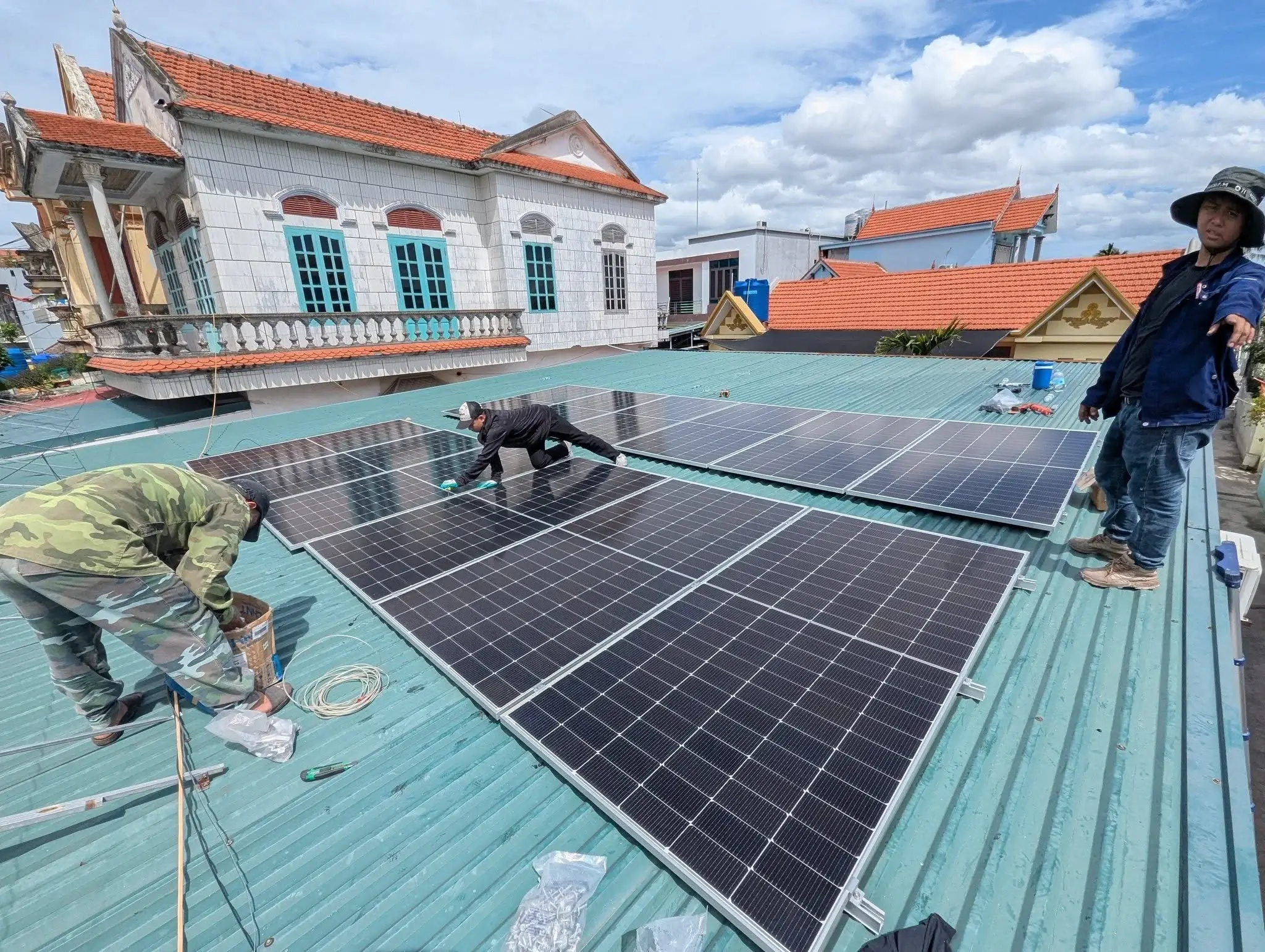
- Solar Energy Maximization: A Bangkok townhouse with 4 solar panels and a MPPT charger stores 8-10kWh/day. The controller uses this stored power during evening peak hours, cutting monthly electricity bills from 3,500 THB to 1,200 THB—a 65% reduction.
- Rural Off-Grid Support: In remote Mae Hong Son villages without stable grid access, systems combine solar panels, a charger, 10kWh batteries, and a inverter to power homes 24/7. This eliminates reliance on noisy, expensive diesel generators—saving families 2,000+ THB/month.
Tips for Choosing a System in Thailand
To optimize for local conditions: 1) Select a inverter rated for 220V grid and high humidity (IP65+); 2) Prioritize MPPT chargers for solar compatibility; 3) Choose a controller with Thai-language app support for easy monitoring; 4) Opt for lithium-ion batteries (longer lifespan in Thailand’s heat vs. lead-acid).
As Thailand pushes for its 2030 renewable energy target (40% of power from renewables), home energy storage systems—centered on inverter, charger, and controller—are no longer a luxury but a practical investment. For Thai families, they mean lower bills, reliable power, and a step toward sustainable living.