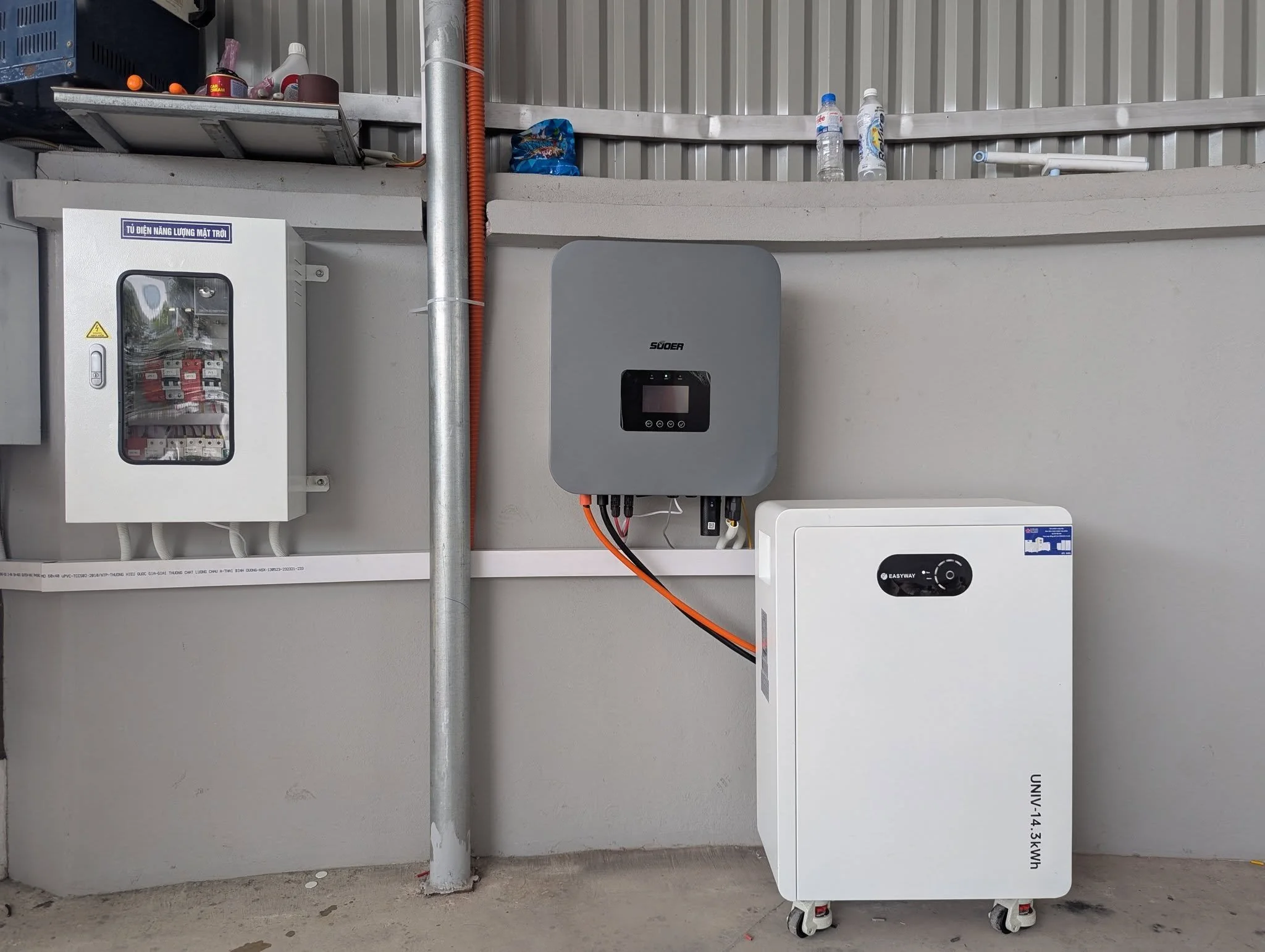
The United Arab Emirates (UAE) stands at a pivotal energy transition moment: while it holds vast oil and gas reserves, the nation is aggressively pursuing renewable energy goals (targeting 50% clean energy by 2050 under the UAE Net Zero by 2050 Strategic Initiative). For households, this shift brings both opportunities and challenges: high electricity tariffs (peaking at AED 0.42/kWh during summer peaks), extreme summer temperatures (45-50°C) driving massive AC demand, and a growing focus on solar adoption. Against this backdrop, home energy storage systems—powered by three core components: inverter, charger, and controller—have emerged as a strategic investment. Leveraging the UAE’s exceptional solar potential (6-8 kWh/m²/day, among the highest globally), these systems deliver cost savings, enhance energy resilience, and align with national sustainability goals. This guide explores their transformative impact for UAE households, optimized for Google search intent and local relevance.
The UAE’s energy ecosystem is evolving rapidly. Historically reliant on gas for 90% of electricity (per Federal Electricity and Water Authority, FEWA), the nation now leads the Middle East in solar deployment—exemplified by Dubai’s 5 GW Mohammed bin Rashid Al Maktoum Solar Park. For households, key pain points persist: 1) Seasonal peak costs: Summer demand (June-September) drives tariffs up by 35% vs. winter, as AC use accounts for 60-70% of household consumption; 2) Solar intermittency: Rooftop solar (mandatory for new villas in Dubai since 2023) generates surplus midday power but zero output after sunset; 3) Grid resilience: While reliable, rare heatwaves or infrastructure maintenance can trigger short outages. A home energy storage system addresses these gaps: a charger captures midday solar surplus, a inverter converts it to usable AC power, and a controller deploys stored energy during peak hours—slashing bills and reducing reliance on fossil fuel-generated grid power.
Each component is engineered to withstand the UAE’s harsh environment—scorching heat, sandstorms, and high humidity—while maximizing efficiency for local energy patterns:
Case studies reflect the UAE’s diverse housing types and user needs, from urban apartments to desert villas:
Optimize for local conditions and regulations: 1) Select heat-resistant hybrid inverters (IP65+ rating for dust/water resistance) with a minimum 10-year warranty; 2) Prioritize MPPT chargers to maximize solar capture—non-negotiable for the UAE’s sunlight intensity; 3) Choose controllers compatible with local utilities (e.g., DEWA, ADWEA) for tariff synchronization; 4) Pick lithium-ion batteries with thermal management (critical for 50°C summers) and compliance with UAE’s ESMA safety standards; 5) Leverage government incentives: Dubai offers a 30% subsidy on storage systems for solar-equipped homes, while Abu Dhabi provides net-metering schemes to offset costs.
As the UAE accelerates its net-zero journey, home energy storage systems—centered on inverter, charger, and controller—are no longer a luxury but a smart, sustainable investment. For UAE households, they deliver tangible cost savings, enhance energy independence, and contribute to the nation’s global leadership in renewable energy adoption. With falling battery costs and government support, there has never been a better time to integrate storage into UAE homes.