Products Banner

Solution from Vietnam

Home Energy Storage Systems in Vietnam: Applications, Reliability & Core Components

Vietnamese households face persistent energy challenges shaped by rapid urbanization and underdeveloped infrastructure: only 75% of rural areas have stable grid access (per Vietnam Electricity Group, EVN), while urban centers like Hanoi and Ho Chi Minh City suffer 2-5 weekly power outages (lasting 1-4 hours) during dry seasons. Skyrocketing electricity tariffs (up 15% in 2024, EVN data) and reliance on expensive diesel generators ($100-$200/month) further burden families. Fortunately, Vietnam’s tropical climate delivers abundant solar potential (4.5-6.5 kWh/m²/day, especially in the Central Highlands and Mekong Delta), making home energy storage systems—powered by three core components: inverter, charger, and controller—a transformative solution. This guide explores their real-world impact, optimized for Google search intent and local relevance.

Vietnam’s Energy Landscape: Why Home Storage Is Essential

Vietnam’s energy crisis stems from unmet demand (growing 8-10% annually) and overreliance on hydroelectric power (40% of generation), which plummets 30% during dry seasons (November-April). EVN’s tiered tariff system amplifies costs: households using over 400 kWh/month pay 2.5x more than baseline rates. Rural families in provinces like An Giang and Gia Lai often lack grid access entirely, relying on kerosene lamps (linked to respiratory illnesses) or diesel generators. A home energy storage system addresses these gaps: a charger captures sunlight, a inverter converts it to usable power, and a controller optimizes usage—aligning with Vietnam’s National Power Development Plan (targeting 30% renewables by 2030).

Core Components: Adapted to Vietnam’s Unique Conditions

Each component is engineered to withstand Vietnam’s hot-humid climate, monsoon rains, and grid volatility—prioritizing durability and efficiency:

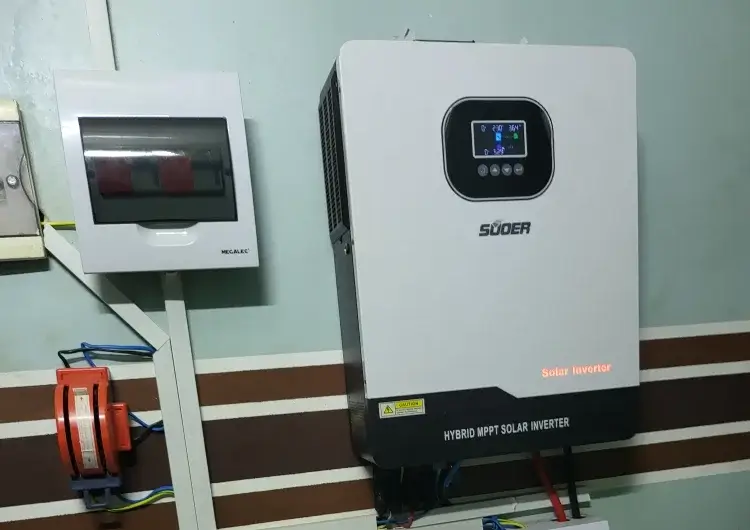
  • Inverter: The system’s backbone. Vietnam’s grid operates at 220V, but fluctuations (±25%) are common—enough to damage smartphones, TVs, and medical devices like nebulizers. A high-quality inverter stabilizes voltage and switches to battery power in 0.5 seconds during outages—a critical feature for Hanoi families during dry-season blackouts. For off-grid homes in the Central Highlands, it converts DC battery power (stored solar energy) to AC, powering water pumps and coffee-processing tools.
  • Charger: Solar compatibility is non-negotiable. Most Vietnamese households pair storage with 3-5 solar panels (300-400W each) to leverage 9+ hours of daily sunlight. A MPPT solar charger is essential—it boosts energy capture by 18-22% vs. basic PWM chargers, critical for offsetting monsoon cloud cover. For a 3-bedroom home in Da Nang, this translates to 6-8 kWh of stored energy daily—enough to power lights, a fridge, and a small AC for 10+ hours.
  • Controller: The “brain” for cost savings. It monitors EVN’s tiered tariffs and automatically uses stored energy during high-usage periods (17:00-21:00, when AC use peaks). For rural farmers in the Mekong Delta, the controller schedules irrigation pump operation during midday (peak solar generation), cutting diesel use by 70% and increasing rice yields by 25%.

Real-World Applications Across Vietnam

Case studies reflect Vietnam’s diverse living environments and user needs:

  1. Urban Outage Resilience (Hanoi): A family in Hanoi’s Tay Ho District uses a 6kWh system with a 3kW inverter and controller. During dry-season outages, the system powers their fridge, LED lights, Wi-Fi, and AC (on low) for 8 hours. The MPPT charger paired with 4 solar panels recharges the battery by 2 PM—even during light monsoon rains (thanks to IP65 protection).
  2. Rural Off-Grid Independence (Mekong Delta): A farming family in An Giang had no grid access and spent $150/month on diesel. They now use an 8kWh system with a charger, 5 solar panels, and a inverter. The controller manages their irrigation pump and home appliances—cutting energy costs by 85% and letting their children study after sunset (previously impossible with kerosene).
  3. Small Business Support (Ho Chi Minh City): A family in District 10 runs a street food stall. They use a 5kWh system to power LED lights, a rice cooker, and a mini-fridge overnight. The controller stores solar energy via a MPPT charger during the day, eliminating their $90/month generator bill and extending business hours to 10 PM—boosting income by 40%.

Key Tips for Choosing a System in Vietnam

Optimize for local conditions and policies: 1) Select a inverter with IP65+ protection (resists monsoon rains and humidity) and high-temperature tolerance (up to 60°C); 2) Prioritize MPPT chargers to maximize solar efficiency amid cloud cover; 3) Choose a controller with English or Vietnamese app support for easy monitoring; 4) Use lithium-ion batteries (8-10 year lifespan vs. 2-3 years for lead-acid, which corrodes in humid climates); 5) Leverage EVN’s net-metering scheme—earn credits by feeding surplus solar power back to the grid.

As Vietnam expands electrification and renewable adoption, home energy storage systems—centered on inverter, charger, and controller—are no longer a luxury but a necessity. For Vietnamese families, they mean reliable power for education, health, and livelihoods—offering stability amid energy challenges and aligning with the country’s sustainable development goals.

Ready to start your project?
Talk with SUOER experts about your Vietnam home energy solution