Yemeni households endure one of the most severe energy crises globally, exacerbated by over a decade of conflict: less than 30% of the population has access to a functional national grid (per World Bank 2024 data), with major cities like Sana’a and Aden suffering 18-22 hours of daily blackouts. Rural areas in Hadhramaut and Saada are almost entirely off-grid, forcing families to rely on scarce, overpriced diesel (up to $3/liter in conflict zones) or toxic kerosene lamps—linked to 1 in 5 childhood respiratory illnesses. Yet, Yemen’s tropical desert climate offers exceptional solar potential (6-8 kWh/m²/day, among the highest in the Middle East), making home energy storage systems—powered by three lifeline components: inverter, charger, and controller—a matter of survival and stability. This guide explores their transformative impact, optimized for Google search intent and Yemeni families’ urgent needs.
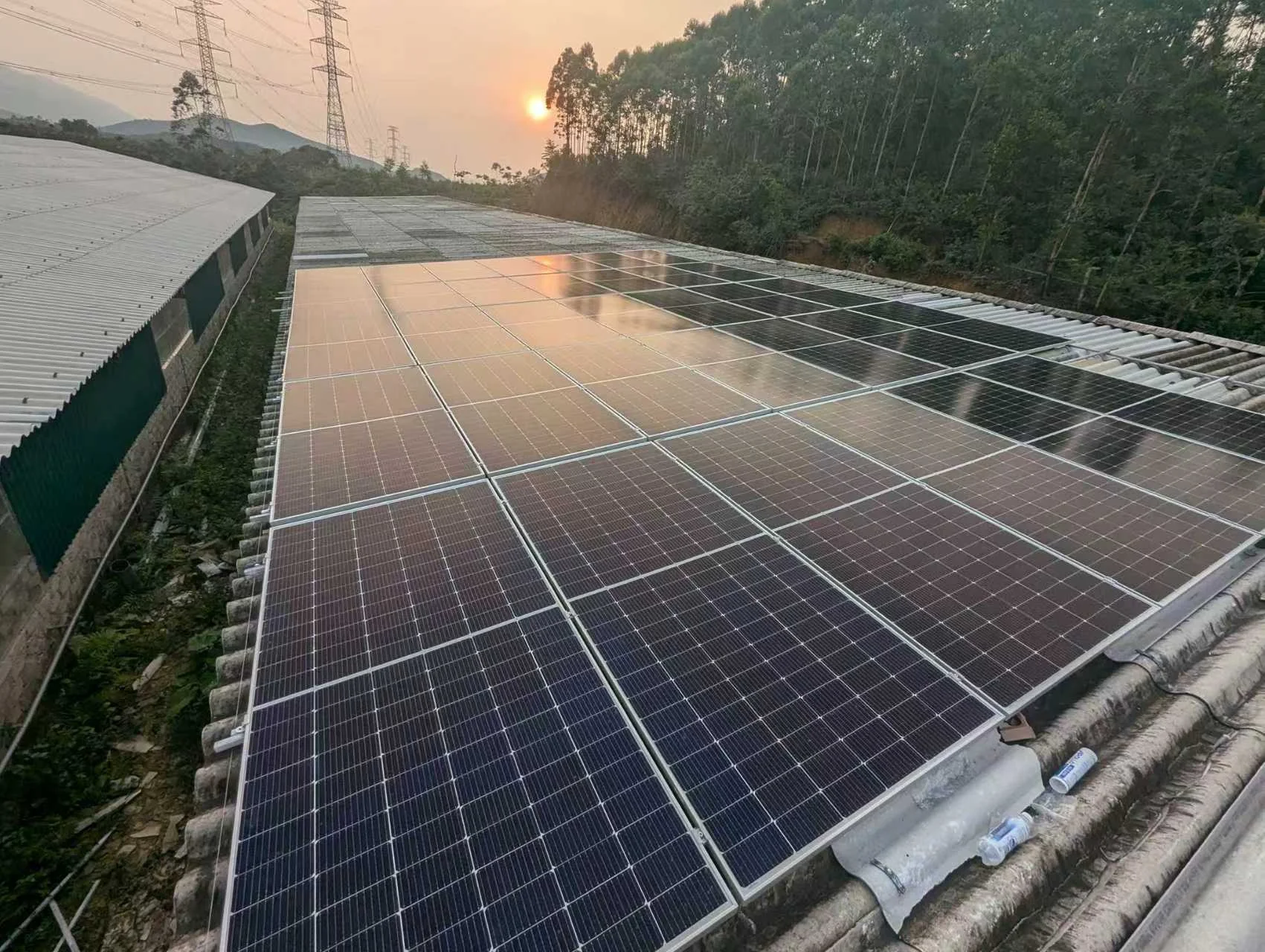
Yemen’s energy infrastructure lies in ruins due to conflict: 70% of power plants and transmission lines are damaged (per International Energy Agency, IEA), and fuel imports are severely restricted by port blockades. For households, the consequences are catastrophic: refrigerated food spoils within hours, children’s remote learning (the only option in war-torn regions) halts without electricity, and families dependent on medical devices like oxygen concentrators face life-threatening risks. Diesel generators are often unaffordable or unavailable, while kerosene lamps pose fire hazards and long-term health damage. A home energy storage system addresses these existential gaps: a charger captures Yemen’s intense sunlight, a inverter converts it to usable power, and a controller prioritizes critical loads—creating a self-sustaining energy source that bypasses broken grid infrastructure. This aligns with post-conflict reconstruction goals, as the UN estimates 50% of Yemen’s electrification needs could be met by solar-storage systems by 2030.
Each component is engineered to withstand Yemen’s extreme conditions—scorching summer heat (45-50°C), sandstorms, limited maintenance access, and erratic usage—prioritizing durability, simplicity, and efficiency:
Case studies from conflict-affected regions highlight the system’s life-saving impact:
Optimize for survival and practicality in conflict zones: 1) Select inverters with IP67 protection and a 5+ year warranty—prioritize brands with local NGO support for replacement parts; 2) Invest in MPPT chargers with dust-resistant designs—avoid PWM models that waste precious solar energy; 3) Choose controllers with load-prioritization and low-battery protection—skip app-enabled models (unreliable internet in Yemen); 4) Use sealed lithium-ion batteries (8-10 year lifespan) over lead-acid (require frequent maintenance and acid refills, hard to source); 5) Partner with UN or NGO programs—many offer subsidized systems and training for local technicians.
In Yemen, home energy storage systems—centered on inverter, charger, and controller—are more than energy solutions: they are tools for survival, education, and healthcare. As the country begins slow post-conflict reconstruction, these systems will be the foundation of a resilient, decentralized energy grid—reducing reliance on fragile infrastructure and imported fuels while giving Yemeni families control over their most basic need: reliable power.