



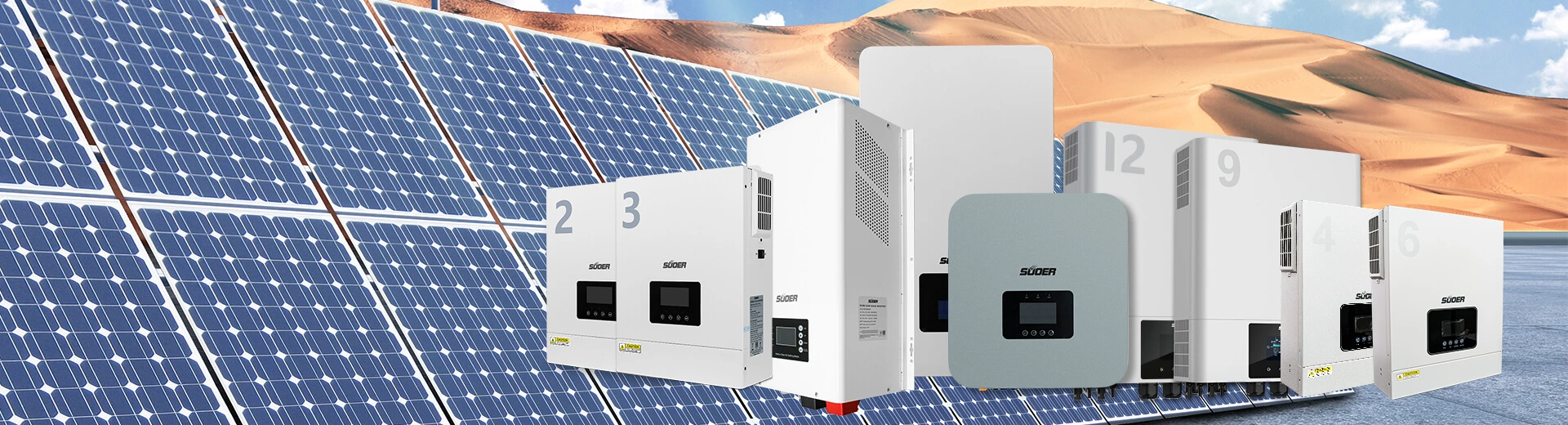

As global solar adoption accelerates (set to hit 2TW by 2032, per IEA), the grid-tie solar inverter has emerged as the critical link between solar panels, household appliances, and the national power grid. Unlike off-grid counterparts, grid-tie inverters convert DC power from solar arrays into grid-compatible AC power—enabling users to offset electricity costs, feed surplus energy back to the grid (via net metering), and reduce carbon footprints. When paired with high-performance chargers and controllers, these inverters form a seamless solar energy system that maximizes efficiency and reliability.
Why Grid-Tie Inverters Are Indispensable for Solar Systems
Solar panels generate DC power, but most household and commercial appliances run on AC power—making inverters a non-negotiable component. Grid-tie inverters solve three key pain points: 1) Grid Synchronization: They match the grid’s voltage, frequency, and phase (typically 230V/50Hz or 120V/60Hz) to ensure safe, stable power flow—critical for avoiding grid damage or safety hazards. 2) High Efficiency: Modern grid-tie inverters boast 97-99% conversion efficiency (e.g., string inverters, microinverters), minimizing energy loss during DC-to-AC conversion. 3) Net Metering Compatibility: They enable bidirectional power flow—surplus solar energy is fed back to the grid, earning users credits on their electricity bills (a major cost-saving driver in countries like the US, Germany, and Australia).
Unlike off-grid systems that require batteries, grid-tie setups often operate without energy storage (though hybrid models can integrate batteries with chargers), reducing upfront costs and maintenance. This makes them ideal for users with reliable grid access who want to cut electricity bills while contributing to renewable energy goals.
Core Synergy: Grid-Tie Inverters with Chargers & Controllers
A high-performance grid-tie solar system relies on seamless collaboration between inverter, charger, and controller—each component enhancing the others’ performance:
With MPPT Controllers: The MPPT solar charge controller optimizes solar panel output by tracking the maximum power point, delivering stable DC power to the grid-tie inverter. This synergy boosts overall system efficiency by 15-25% compared to systems with basic PWM controllers. For example, a 10kW solar array paired with an MPPT controller and 98% efficient grid-tie inverter generates 500-800 extra kWh annually.
With Hybrid Chargers: Hybrid grid-tie inverters integrate built-in chargers to support battery storage. These chargers store surplus solar energy in batteries during peak generation (midday) and the inverter deploys it during grid outages or peak demand hours—combining the benefits of grid-tie (cost savings) and off-grid (resilience) systems. This is increasingly popular in regions with occasional grid instability (e.g., parts of India, Brazil, and Southeast Asia).
Safety & Monitoring Synergy: Advanced controllers and inverters share real-time data (e.g., solar output, grid voltage, energy flow) via mobile apps or cloud platforms. The controller alerts the inverter to grid fluctuations, triggering safety features like anti-islanding protection (shutting down the system if the grid fails) to protect utility workers and equipment.
Real-World Applications of Grid-Tie Solar Inverters
Grid-tie inverters adapt to diverse use cases, from residential rooftops to large-scale commercial and industrial projects:
Residential Rooftop Solar (Global): A typical 5kW residential system uses a string grid-tie inverter, MPPT controller, and no batteries. The inverter converts solar DC to AC, powering home appliances (AC, fridge, lights) first, with surplus energy fed back to the grid. In California, this setup cuts monthly electricity bills by $150-$200 and has a payback period of 5-7 years—shorter with net metering credits.
Commercial Buildings (e.g., Offices, Retail Stores): Mid-sized commercial projects (10-50kW) use multiple string inverters or a central grid-tie inverter paired with MPPT controllers. For example, a retail store in Germany with a 30kW rooftop system uses grid-tie inverters to power lighting, cash registers, and HVAC—reducing grid electricity use by 60% and cutting annual energy costs by €15,000.
Industrial Solar Farms (e.g., Factories, Warehouses): Large-scale industrial systems (100kW+) use central or modular grid-tie inverters with high-voltage controllers. A warehouse in China with a 500kW solar array uses grid-tie inverters to power manufacturing equipment, feeding surplus energy back to the grid and earning government renewable energy credits—slashing annual energy expenses by $100,000+.
Community Solar Projects: Shared solar farms (serving multiple households or businesses) rely on grid-tie inverters to distribute energy to participants via the grid. In the Netherlands, a 2MW community solar project uses modular grid-tie inverters and MPPT controllers to supply 500 households with clean energy—each saving €300-€500 annually on electricity bills.
Key Tips for Choosing a Grid-Tie Solar Inverter
To maximize system performance and ROI, prioritize these factors when selecting a grid-tie inverter:
Efficiency: Choose models with ≥97% conversion efficiency (e.g., SMA, Fronius, Huawei) to minimize energy loss.
Grid Compatibility: Ensure the inverter meets local grid standards (e.g., UL 1741 in the US, VDE 0126 in Europe) for voltage, frequency, and safety.
Scalability: Opt for string inverters (for small-to-mid systems) or modular inverters (for large systems) to easily expand solar capacity.
Hybrid Capability: If resilience is a priority, select a hybrid grid-tie inverter with built-in charger support for battery storage.
Monitoring & Durability: Look for inverters with Wi-Fi/Bluetooth monitoring and IP65+ protection (resists dust and rain) for long-term reliability.
Warranty: Choose products with 10-15 year warranties (matching solar panel lifespans) to avoid costly replacements.
Grid-tie solar inverters are the backbone of modern solar energy systems, bridging the gap between solar generation and grid consumption. When paired with high-quality controllers and chargers, they deliver unmatched efficiency, cost savings, and sustainability—making them the top choice for users with reliable grid access. As renewable energy policies tighten and electricity prices rise, grid-tie inverters will continue to play a pivotal role in the global transition to clean energy. Whether you’re a homeowner looking to reduce bills, a business aiming to cut operational costs, or an installer designing efficient systems, investing in a high-performance grid-tie solar inverter


