



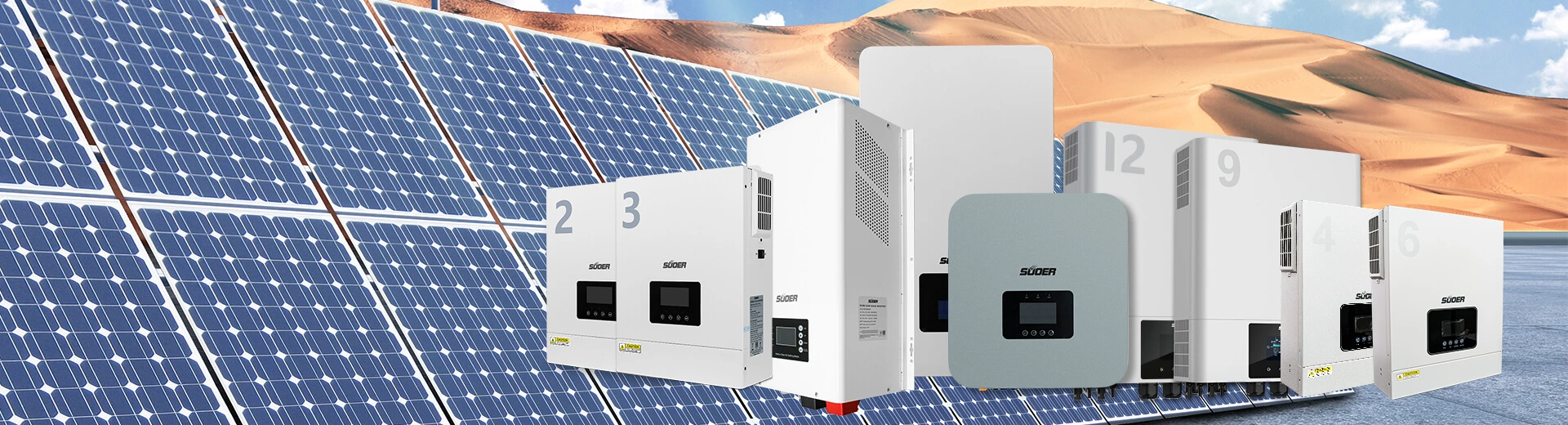


Solar energy systems rely on three critical components to deliver reliable power: inverter, charger, and controller. Among these, the MPPT (Maximum Power Point Tracking) solar charge controller stands out as the “efficiency driver”—solving a major pain point of traditional PWM (Pulse Width Modulation) controllers: wasted solar potential. With global solar adoption surging (expected to reach 1.7TW by 2030, per IEA), the MPPT controller has become indispensable for home energy storage, off-grid cabins, RVs, agricultural irrigation, and commercial solar setups.
Why MPPT Controllers Outperform Traditional Solar Charge Controllers
Traditional PWM controllers operate at a fixed voltage, limiting solar panel output to match battery voltage—wasting up to 30% of available energy, especially in variable conditions (cloud cover, partial shade, temperature fluctuations). MPPT controllers eliminate this waste by dynamically tracking the sun’s “maximum power point” (the voltage-current combination where solar panels generate the most energy). This delivers 15-30% higher efficiency than PWM models, translating to more stored energy, lower grid reliance, and faster ROI for users. For example, a 5kW solar array paired with an MPPT controller can generate 750-1,500 extra kWh annually compared to a PWM system—enough to power a home’s fridge and lights for 3-6 months.
Another key advantage is voltage flexibility: MPPT controllers work with high-voltage solar arrays (up to 600V DC) and convert excess voltage to charge batteries at lower voltages (12V, 24V, 48V). This reduces wiring costs (thinner cables for high-voltage DC) and minimizes power loss over long distances—critical for large-scale setups like farm irrigation or off-grid cabins with solar panels mounted far from batteries.
Core Synergy: MPPT Controllers with Inverters & Chargers
A solar energy system’s performance depends on seamless collaboration between controller, charger, and inverter—and MPPT controllers act as the “bridge” between solar panels, batteries, and inverters:
With Solar Chargers: MPPT controllers are often integrated with high-efficiency solar chargers (called “MPPT chargers”) to streamline the system. These combo units capture solar energy, optimize it via MPPT technology, and directly charge batteries—eliminating compatibility issues. For home energy storage, this means faster battery charging (30-50% quicker than PWM) and longer battery lifespan (by preventing overcharging or deep discharge).
With Inverters: After the MPPT controller charges the battery, the inverter converts stored DC battery power to AC for household use. MPPT controllers enhance inverter performance by delivering stable, consistent battery voltage—reducing inverter strain and improving its efficiency (up to 98% for hybrid inverters paired with MPPT). In off-grid systems, this synergy ensures uninterrupted power: the MPPT controller maintains battery charge, while the inverter switches seamlessly between battery and solar power.
Real-World Applications of MPPT Solar Charge Controllers
MPPT controllers adapt to diverse use cases, from residential to commercial, thanks to their efficiency and durability:
Home Energy Storage (Global): A typical 3-bedroom home with a 6kW solar array uses an MPPT controller paired with a 10kWh battery and 5kW hybrid inverter. The MPPT controller captures surplus midday solar energy (even in partial shade from trees), charges the battery, and the inverter deploys stored power during evening peak hours. This cuts grid electricity use by 70% and reduces monthly bills by $150-$250.
RV & Marine Travel: RVers and boat owners rely on compact MPPT controllers (e.g., 30A-60A models) to charge batteries from rooftop solar panels. Unlike PWM, MPPT controllers work efficiently in variable sunlight (e.g., driving through forests or cloudy coastal areas), powering lights, fridges, and small inverters for laptops or TVs—eliminating the need for noisy generators.
Agricultural Irrigation: Farmers use large-scale MPPT controllers (100A+) with solar-powered irrigation pumps. The controller optimizes energy capture during midday, powering pumps to water crops without grid electricity. In regions like Kenya’s Rift Valley or India’s Punjab, this reduces diesel costs by 90% and increases crop yields by ensuring consistent watering.
Off-Grid Communities: Remote villages (e.g., in Nepal, Yemen, or Peru) use MPPT controllers in community solar systems. Paired with inverters and shared batteries, these systems power schools, medical clinics, and homes—replacing kerosene lamps and diesel generators. The MPPT’s efficiency ensures maximum energy capture in harsh climates (extreme heat, dust, or rain).
Key Tips for Choosing an MPPT Solar Charge Controller
To maximize solar system performance, prioritize these factors when selecting an MPPT controller:
Compatibility: Match the controller’s voltage (12V/24V/48V) with your battery and inverter. Most modern MPPT controllers are compatible with lithium-ion and lead-acid batteries.
Current Rating: Choose a controller with a current rating 20-30% higher than your solar array’s output (e.g., a 5kW array with 20A output needs a 25A+ MPPT controller).
Efficiency: Look for models with ≥97% tracking efficiency (e.g., brands like Victron Energy, Renogy, or Growatt).
Protection Features: Opt for IP65+ protection (resists dust and rain) and built-in safeguards (overcharge, short circuit, reverse polarity) to protect your inverter, charger, and batteries.
Monitoring: Select a controller with Bluetooth/Wi-Fi and a mobile app for real-time energy tracking—critical for optimizing solar use and troubleshooting.
As solar energy becomes the world’s fastest-growing renewable (per IEA), the MPPT controller has evolved from a “nice-to-have” to a “must-have” component. Its ability to boost efficiency, work with inverters and chargers seamlessly, and adapt to diverse conditions makes it the backbone of reliable solar systems. Whether you’re a homeowner looking to cut bills, a farmer needing irrigation power, or an adventurer seeking off-grid freedom, an MPPT solar charge controller delivers tangible value—turning more sunlight into usable energy, saving money, and reducing carbon footprints.


